 James Kavanagh
Contents
- What “online marketing courses” actually means in 2026
- Why skipping the skill in 2026 is a bad idea
- The four flavours of online marketing course
- What a good online marketing course should actually teach
- The UK online marketing course landscape
- What online marketing courses cost in the UK
- How to choose without getting burned
- Frequently asked questions
- The bottom line
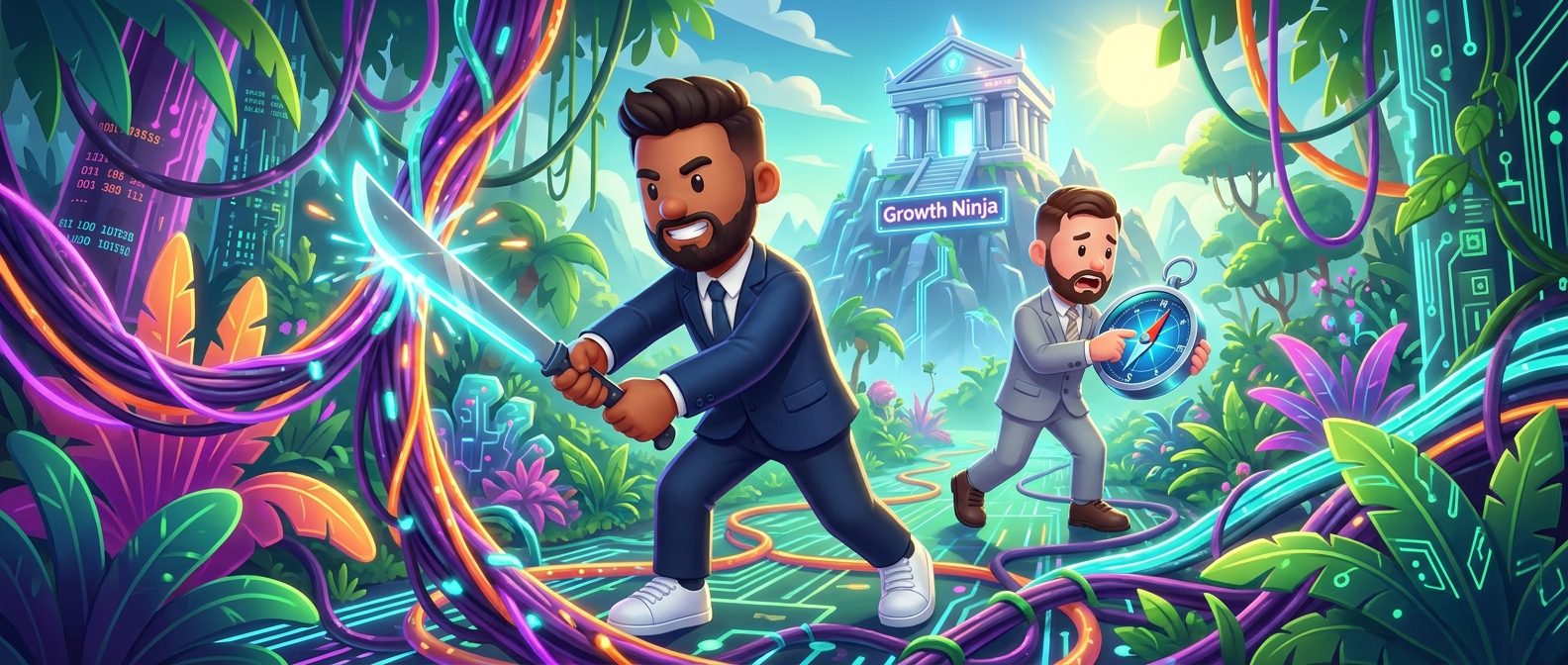
Search “online marketing courses” in 2026 and you’ll be hit with about nine million results — half promising to turn you into a six-figure “growth ninja” by the weekend, the other half a 40-hour video graveyard recorded in 2019 and never updated since. It’s a jungle out there, and most people get lost in it.
So here’s the complete, no-fluff guide to online marketing courses in the UK: what they are, what they should teach, what they cost, and how to spot the gold among the garbage. We train the people who run campaigns for real businesses, so we’re going to be straight with you in a way most course-sellers won’t.
What “online marketing courses” actually means in 2026
An online marketing course is any structured programme that teaches you to promote a business on the internet — and “structured” is the word that matters. A random YouTube playlist is not a course. A course has a path: a beginning, a middle, an end, and ideally someone who knows what they’re doing steering the ship.
The “online” bit simply means you learn remotely, on your own screen, rather than sitting in a draughty conference room in Slough. That single change opens up four very different formats, and picking the wrong one is how most people waste their money. We’ll get to those shortly.
Why skipping the skill in 2026 is a bad idea
Let’s settle the “is it even worth learning?” question quickly, because the numbers do the arguing for us. UK marketing vacancies jumped around 31% in the six months to February 2026, and openings are forecast to grow roughly another 10% across the year. The average digital marketing salary now sits near £41,000, with experienced specialists pushing past £60,000.
Meanwhile AI has rewritten the job description. Mentions of AI-related skills in marketing adverts rose about 21% in a single year, and employers now want people who can actually wield tools like HubSpot, Klaviyo and the analytics stack — not just nod along about them at the pub. The skill is in demand, it pays, and the goalposts move every six months. A good course keeps you ahead of them. For the full argument, our pillar on whether digital marketing courses are still relevant in 2026 is worth five minutes.
The four flavours of online marketing course
Not all online courses are built the same. Get the format right for your life and you’ll finish it; get it wrong and you’ll join the masses who buy a course and never open lesson two.
Self-paced
Pre-recorded videos and worksheets you work through whenever you like. Cheap, flexible and brilliant if you’re disciplined — a graveyard if you’re not. Best for foundations and dipping a toe in.
Live or cohort-based
You learn in real time with a tutor and a group, usually over a few weeks. More expensive, more accountability, and far better completion rates because someone actually notices when you go missing. Best for people who need a deadline and a bit of peer pressure.
Blended
The sweet spot for most adults: self-paced content you tackle in your own time, plus live calls, feedback and support when you need a human. You get flexibility without being left to rot. It’s why most serious modern programmes — ours included — lean this way.
Free taster courses
Google’s Digital Garage and HubSpot Academy hand out genuinely useful starter material for nothing. Perfect for testing whether you even like this stuff before you spend a penny. Just know that free courses teach you the “what” — rarely the “how” for your specific business.
What a good online marketing course should actually teach
If a course doesn’t cover the fundamentals below, it’s a hobby, not an education. At a minimum, you want:
- Strategy and positioning — who you’re selling to and why they should care, before you touch a single tactic.
- SEO and content — getting found on Google without paying for every click, including the shift to semantic search and topic authority.
- Email marketing — still the highest-ROI channel going, and the one most courses gloss over.
- Paid advertising — Meta, Google and the dark art of not setting fire to your budget.
- Social and community — building an audience that actually buys, not vanity followers.
- Analytics — reading the numbers so you know what’s working instead of guessing.
- AI tooling — using the modern stack to do in an hour what used to take a week.
Want the full module-by-module picture? We’ve written a whole piece on what digital marketing courses actually teach so you can sense-check any curriculum before you pay.
The UK online marketing course landscape
Here’s the honest lay of the land, from most academic to most hands-on.
CIM (the Chartered Institute of Marketing) is the big, respected name. Its Certificate in Professional Digital Marketing is the qualification UK employers recognise, typically taking six to nine months part-time through an approved study centre such as Oxford College of Marketing. Brilliant for your CV; heavier on theory than on overnight results.
The IDM (Institute of Data & Marketing) offers shorter, sharper award-level courses that are well regarded in data-driven and CRM roles. Practical, focused and quicker to complete.
Google’s certificates — the Digital Marketing & E-commerce Professional Certificate, delivered through Coursera — are the popular entry point. No experience needed, recognised as a baseline by employers, and a sensible first credential.
Independent specialists (that’s where we live) tend to be the most current and the most hands-on, because we’re running real campaigns the same week we’re teaching them. Less alphabet soup after your name, more “here’s exactly what to do on Monday.”
None of these is automatically “best”. The right one depends on whether you’re chasing a letterhead qualification or actual results — so be honest with yourself about which you’re really after.
What online marketing courses cost in the UK
Roughly speaking, the market breaks into four price bands:
- Free — Google Digital Garage, HubSpot Academy and friends. Great foundations, no hand-holding.
- £100–£500 — solid self-paced courses from independent trainers.
- £800–£1,800 — accredited routes like IDM awards and the CIM Certificate, or premium blended programmes.
- £2,000+ — intensive, one-to-one or bootcamp-style coaching with direct feedback.
Price isn’t the same as value, mind. We’ve broken down what genuinely drives the cost in our UK price guide for digital marketing courses — read it before you assume dearer means better, because it frequently doesn’t.
How to choose without getting burned
Run any course past this quick sniff test before you hand over your card.
Green flags: a clear curriculum, a tutor with verifiable real-world results, recent updates (anything pre-2024 is a museum piece in this industry), genuine support, and honest outcomes rather than Lamborghini fantasies.
Red flags: countdown timers, screenshots of mysterious bank balances, “secret” methods, no named instructor, and a syllabus that’s all hype and no substance.
If you’re brand new and not sure where to begin, start with our guide for beginners on where to actually start — it’ll stop you buying the advanced stuff before you’ve nailed the basics.
Frequently asked questions
Are online marketing courses as good as in-person ones?
For most people in 2026, yes — and often better. Online courses are cheaper, more flexible and updated faster than classroom programmes. The only real trade-off is accountability, which a good live or blended format solves. We compare both properly in our guide to online versus in-person digital marketing courses.
Can I learn online marketing for free?
You can learn the basics for free through Google’s Digital Garage and HubSpot Academy, and they’re a smart place to start. What free courses won’t give you is feedback, a tailored path, or anyone to ask when you’re stuck — which is exactly what you’re paying for at the paid tiers.
How long does an online marketing course take?
Anywhere from an afternoon to nine months. A free taster takes a few hours, a focused self-paced course runs a few weeks, and an accredited qualification like the CIM Certificate typically takes six to nine months part-time. Match the length to your goal, not your patience.
Do online marketing courses come with a certificate?
Many do, though a certificate’s worth depends entirely on who’s behind it. A CIM or Google certificate carries weight with employers, while a generic certificate of completion from an unknown brand carries very little. Always check what the qualification is actually recognised for.
Will an online marketing course get me a job?
It sharply improves your odds, especially paired with a portfolio of real work. With UK marketing vacancies up around 31% and AI skills in hot demand, employers want proof you can do the work — so choose a course that makes you build things, not just watch videos.
Which online marketing course is best for small business owners?
If you run a business, skip the heavy academic routes and pick a practical, blended course covering strategy plus the channels you’ll actually use — email, SEO and paid. You want to apply it on Monday, not sit an exam in November.
The bottom line
Online marketing courses in 2026 are one of the best-value skills investments going — if you choose well. Get the format right for your life, demand a curriculum that covers the real fundamentals, ignore the countdown-timer cowboys, and you’ll come out genuinely dangerous in the best possible way.
That’s exactly the kind of practical, no-waffle training we build at The Legacy Room: courses for brands with brains, run by people who do this for a living. Have a look at what we do and find the right starting point for you.

 Boost open rates